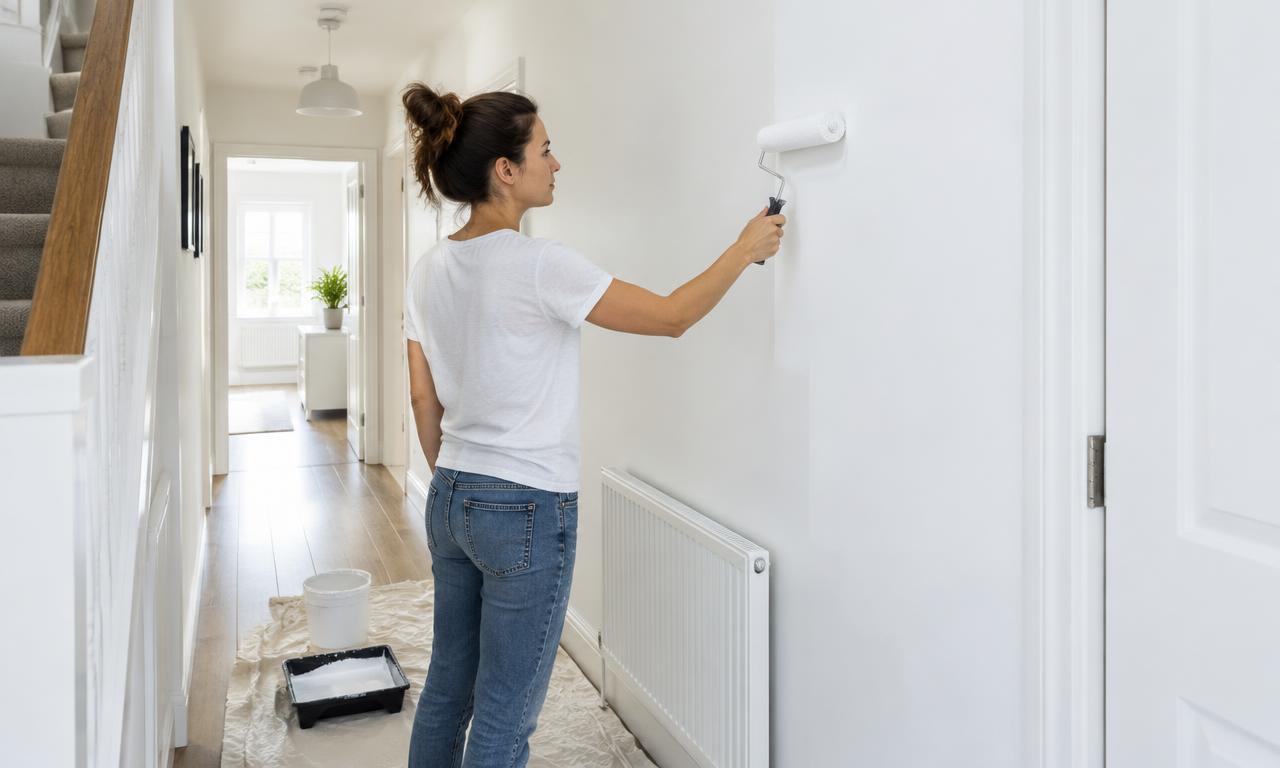
Make the property accessible and safe
Clear trip hazards and arrange viewings that respect occupiers’ rights. If you suspect structural, electrical or other safety issues, get appropriate professional advice instead of disguising them.
Tell your insurer if the property is empty and follow the policy’s inspection or security conditions.
Organise evidence before decorating
Gather consents, guarantees, reports and records of previous repairs. Ask your solicitor for the relevant information forms and answer them honestly. Order any required EPC before marketing.
A buyer’s questions about title, tenure or work can matter more than a new coat of paint. Identify missing records early.
Choose limited improvements rationally
Decluttering, cleaning and minor maintenance may help people inspect the home, but obtain quotes for significant work and compare selling as-is. Do not promise a repair resolves a defect without evidence.
Use clear, current photos that reflect the actual condition. Our AI preparation tool can suggest tasks from photos, but cannot diagnose defects or value the property.
Prepare for different kinds of buyers
Keep a written summary of known issues and relevant documents for your adviser. Ask each buyer what checks remain and record any condition-related price change.
If tenants occupy the home, arrange lawful access and do not imply vacant possession until your adviser confirms it can be delivered.
Sources & review
Last reviewed:
Legal-process explanations primarily cover England and Wales. No national average price discount, completion time or fall-through rate is claimed here; calculator figures are labelled scenarios.
- GOV.UK — How to sell a home
England and Wales: selling costs, paperwork, leasehold information, valuations, chains and legally binding exchange (sections 2–7, 16–17 and 21–22).
- CMA / OFT — Quick house sales investigation
Historical investigation (2013–14): quick-sale firms usually buy at a discount; undertakings address misleading offers, price reductions and completion promises. This is not a current market-price or speed survey.
- HMRC — Tax when you sell your home
Private Residence Relief can exempt a qualifying main home; second homes and let properties may create a taxable gain. Relief has conditions.
- GOV.UK — Energy Performance Certificates
An EPC must normally be ordered before marketing for sale or rent; exemptions apply.
Review dates record our source check, not the date a rule took effect. Rules can change; check the linked guidance before acting. Legal processes differ across the UK.