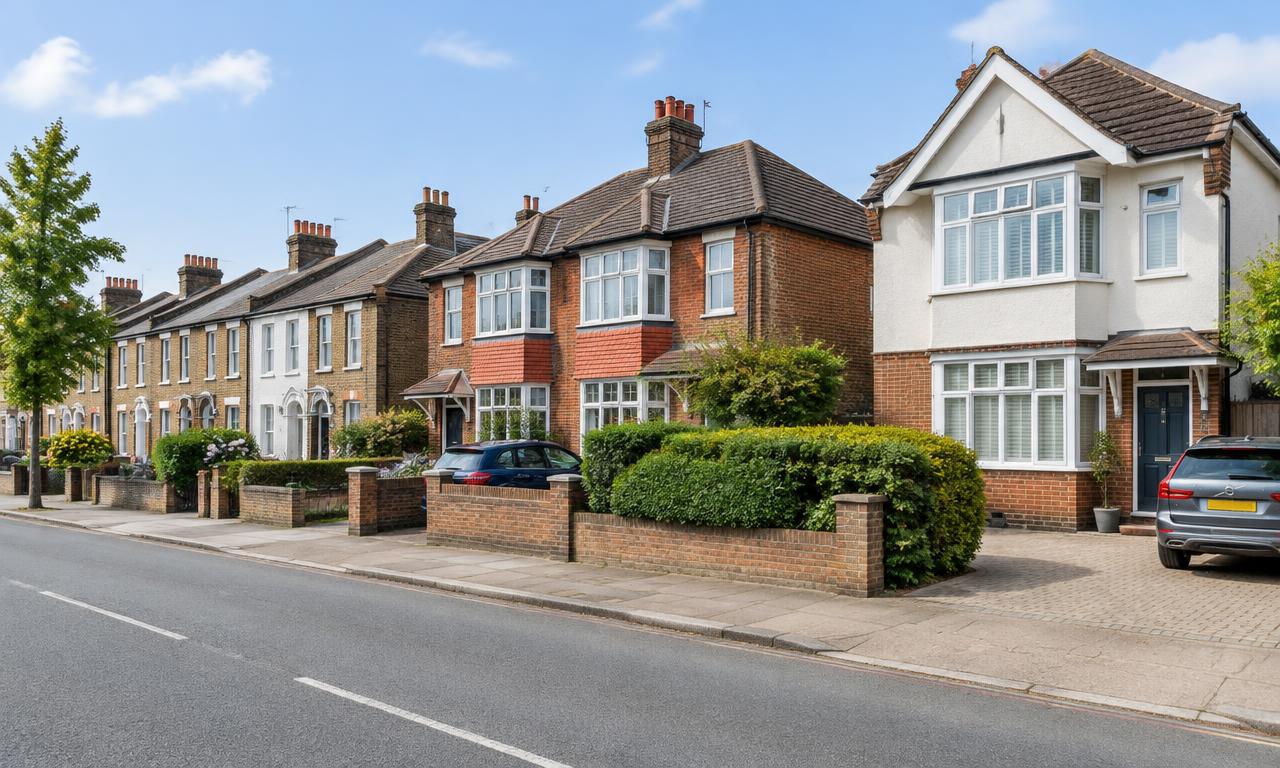
Private individuals
A buyer may use savings or money from an earlier sale to purchase without a mortgage. They may still depend on completing another transaction first, so ask whether those funds are already available.
An individual’s cash status does not remove surveys or legal enquiries. Treat the offer and completion proposal with the same care as any other sale.
Investors and developers
Landlords may want a property with tenants; developers may be interested in refurbishment or development potential. Their commercial objective can affect the price and any planning or possession conditions.
Do not rely on development value without evidence. Ask whether their offer depends on planning permission, vacant possession or another investor joining the purchase.
Professional buying companies and introducers
A direct purchasing company acquires the home itself. An introducer connects the seller with a third party and may not control whether that party proceeds. Ask for a clear explanation of the business model and actual legal buyer.
Compare all fees, assignment rights and remaining checks in writing. If the buyer’s identity changes, your solicitor should verify the replacement party and funds.
Sources & review
Last reviewed:
No buyer, price or deadline is endorsed or guaranteed. Cash funding does not remove legal checks. Offer percentages are editorial scenarios, not current measured market ranges. The OFT study and CMA investigation are historical. Legal guidance primarily concerns England and Wales; Scotland and Northern Ireland differ. Images are AI-generated illustrations, not actual transactions.
- MoneyHelper — Quick house sales
Government-backed guidance: quick-sale companies usually buy for less than a regular sale would achieve, may offer much less than market value, and many are unregulated.
- GOV.UK — How to sell a home
England and Wales: selling costs, paperwork, leasehold information, valuations, chains and legally binding exchange (sections 2–7, 16–17 and 21–22).
- CMA / OFT — Quick house sales investigation
Historical investigation (2013–14): quick-sale firms usually buy at a discount; undertakings address misleading offers, price reductions and completion promises. This is not a current market-price or speed survey.
- OFT — Quick house sales market study (OFT1499, 2013)
Found quick-sale buyers typically paid around 10–25% below market value (roughly 75–90% of it), sometimes working to a target such as 80% before adjusting for location and condition; much larger discounts were sometimes seen. Historical (2013), not a current measured average.
Review dates record our source check, not the date a rule took effect. Rules can change; check the linked guidance before acting. Legal processes differ across the UK.